
Responsible breeding
Stewardship of a rare bloodline
Keeping the Grand Noir du Berry viable means choosing sires with care, tracking pedigrees over generations, and protecting mares through every stage of gestation. The responsibilities are practical, patient, and shared among smallholders across central France.
Season and gestation
From breeding season to first days
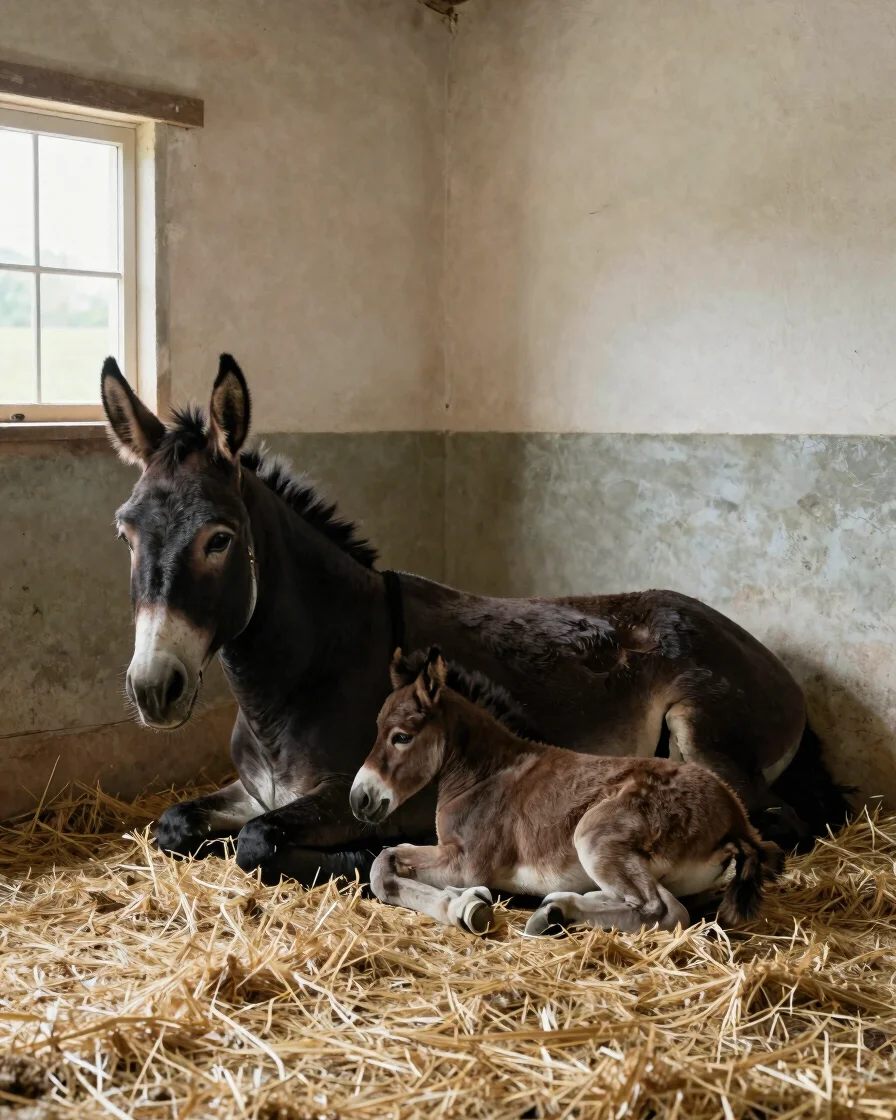
Preparation begins before the season: a sound body condition, up-to-date veterinary review, and a clear plan for the stud. Gestation runs eleven to twelve months, and most of that time calls for minimal intervention, a dry and sheltered foaling area, and quiet observation.
In the first days after birth, the foal benefits from calm handling and gentle exposure to people and other animals. Any health concern should be discussed with a qualified veterinarian rather than managed from guesswork.
Keeping the line
Three commitments for the gene pool
Responsible breeders weigh each pairing against the wider population rather than against a single animal.
Avoiding inbreeding
Methodical stud choices, informed by recorded pedigrees, help limit inbreeding coefficients across the population.
Registry awareness
Accurate, transparent lineage records let breeders see relationships clearly and plan matings with confidence.
Rest between foalings
Sensible rest periods give mares time to recover, supporting their welfare and the health of future foals.